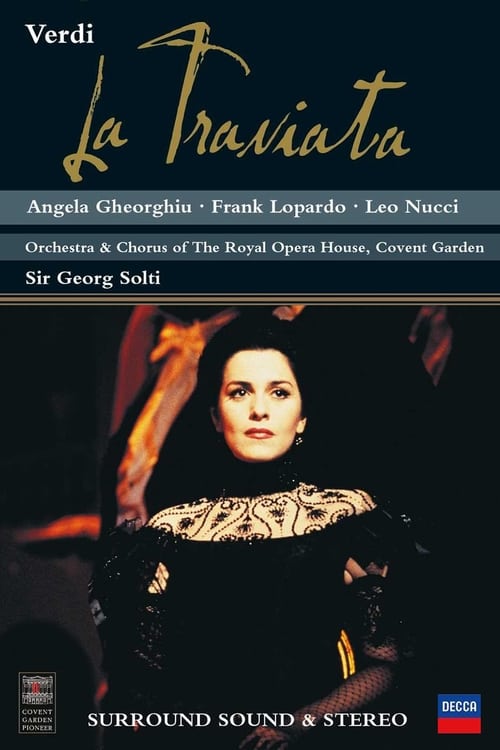
La Traviata (2001)
3 votes on TMDBReleased March 4, 2001
La traviata (Italian: [la traˈviaːta], "The Fallen Woman"[1][2]) is an opera in three acts by Giuseppe Verdi set to an Italian libretto by Francesco Maria Piave. It is based on La dame aux Camélias (1852), a play adapted from the novel by Alexandre Dumas, fils. The opera was originally entitled Violetta, after the main character. It was first performed on 6 March 1853 at the La Fenice opera house in Venice. Piave and Verdi wanted to follow Dumas in giving the opera a contemporary setting, but the authorities at La Fenice insisted that it be set in the past, "c. 1700". It was not until the 1880s that the composer and librettist's original wishes were carried out and "realistic" productions were staged.[3]
Where to watch La Traviata
Streaming, rental and purchase options in the United States.
We do not have United States streaming information for this title yet. Check back closer to its release.
Availability changes often. Streaming data is provided by JustWatch via TMDB. MoviesBoxHD does not host or stream any video files.
Cast of La Traviata
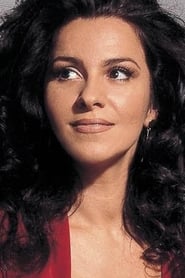
Angela Gheorghiu
Violeta Valéry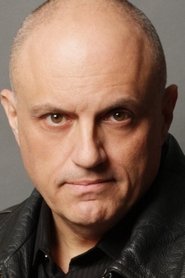
Frank Lopardo
Alfredo Germont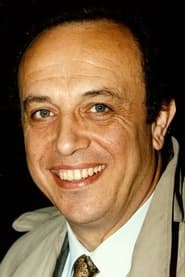
Leo Nucci
Giorgio GermontAbout La Traviata
Where can I watch La Traviata?
We do not have streaming information for La Traviata yet. Check back soon.
Who stars in La Traviata?
La Traviata stars Angela Gheorghiu, Leah-Marian Jones, Gillian Knight, Frank Lopardo, Leo Nucci.
What is La Traviata about?
La traviata (Italian: [la traˈviaːta], "The Fallen Woman"[1][2]) is an opera in three acts by Giuseppe Verdi set to an Italian libretto by Francesco Maria Piave. It is based on La dame aux Camélias (1852), a play adapted from the novel by Alexandre Dumas, fils. The opera was originally entitled Violetta, after the main character. It was first performed on 6 March 1853 at the La Fenice opera house in Venice. Piave and Verdi wanted to follow Dumas in giving the opera a contemporary setting, but the authorities at La Fenice insisted that it be set in the past, "c. 1700". It was not until the 1880s that the composer and librettist's original wishes were carried out and "realistic" productions were staged.[3]
Movies like La Traviata
Strauss: Elektra
1980
Monteverdi: L'incoronazione di Poppea
2012 6.8
Così fan tutte
2013 10.0
The Marriage of Figaro
1993 8.0
Puccini: Manon Lescaut
1980
Bizet: Carmen - Teatro dell'opera di Roma
2017
Werther - Teatro Sociale di Como
2020
Die Walküre
2006
Amor, vida de mi vida: Zarzuelas
2009 9.0
Giacomo Puccini: Gianni Schicchi
2004
Handel: Admeto
2006 6.5