Mao: Seize the Day, Seize the Hour (1972)
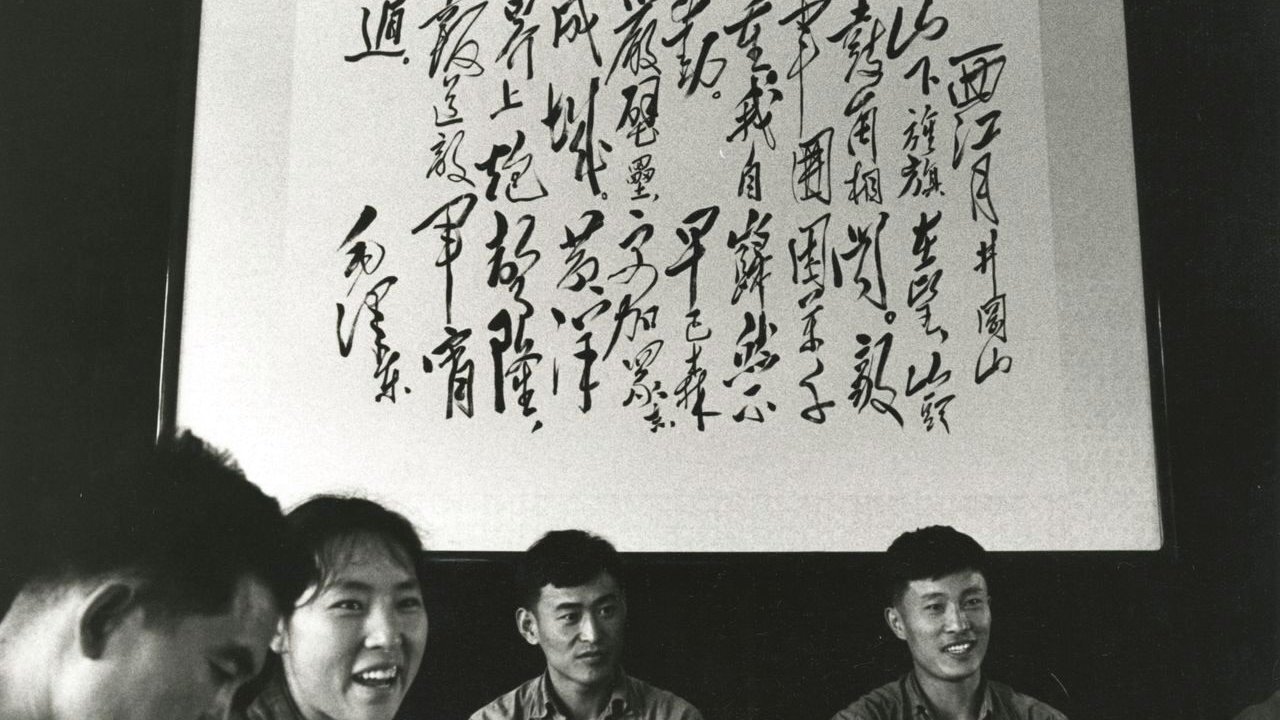
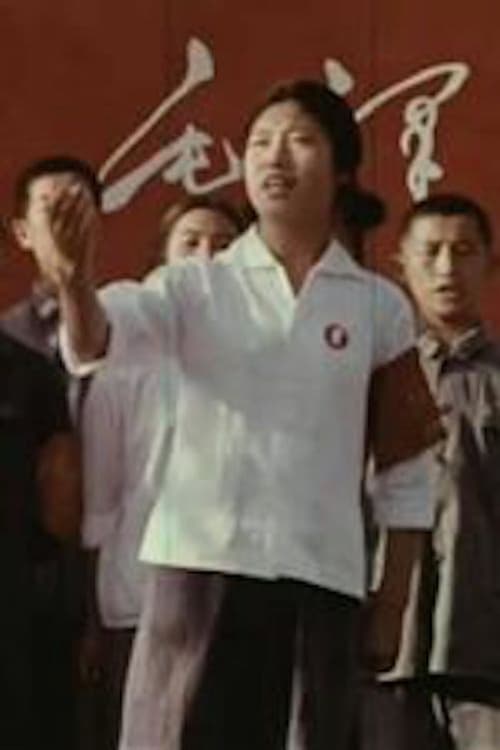
Mao Zedong was not only a revolutionary leader and thinker, he was also a poet. In poems written in the classic calligraphic tradition he expresses his experiences and visions. In this film, 8 of Mao's poems are sung, recited and interpreted: 'Changsha' (1925), 'Jinggang Mountains' (1928), 'The Long March' (1935), 'Snow' (1936), 'The People's Liberation Army Captures Nanjing' (1949), 'Swimming' (1956), 'Reply to Comrade Guo Moruo' (1961) and 'Reascending Jinggang Mountains' (1965). Through these poems we get a picture of the Chinese revolution from its first beginning in 1921 until the Cultural Revolution. The poems of Mao Zedong have been published in more than 57 million copies
Where to watch Mao: Seize the Day, Seize the Hour
Streaming, rental and purchase options in the United States.
We do not have United States streaming information for this title yet. Check back closer to its release.
Availability changes often. Streaming data is provided by JustWatch via TMDB. MoviesBoxHD does not host or stream any video files.
About Mao: Seize the Day, Seize the Hour
Where can I watch Mao: Seize the Day, Seize the Hour?
We do not have streaming information for Mao: Seize the Day, Seize the Hour yet. Check back soon.
Who directed Mao: Seize the Day, Seize the Hour?
Mao: Seize the Day, Seize the Hour was directed by Dino Raymond Hansen.
How long is Mao: Seize the Day, Seize the Hour?
Mao: Seize the Day, Seize the Hour has a runtime of 0h 34m.
What is Mao: Seize the Day, Seize the Hour about?
Mao Zedong was not only a revolutionary leader and thinker, he was also a poet. In poems written in the classic calligraphic tradition he expresses his experiences and visions. In this film, 8 of Mao's poems are sung, recited and interpreted: 'Changsha' (1925), 'Jinggang Mountains' (1928), 'The Long March' (1935), 'Snow' (1936), 'The People's Liberation Army Captures Nanjing' (1949), 'Swimming' (1956), 'Reply to Comrade Guo Moruo' (1961) and 'Reascending Jinggang Mountains' (1965). Through these poems we get a picture of the Chinese revolution from its first beginning in 1921 until the Cultural Revolution. The poems of Mao Zedong have been published in more than 57 million copies
Movies like Mao: Seize the Day, Seize the Hour
Red Guards after The Cultural Revolution
1972 · Documentary 7.4
I Am Big Bird: The Caroll Spinney Story
2015 · Documentary 10.0
Crocodile in the Yangtze
2012 · Documentary 8.0
Little Proletarian
2012 · Documentary
China: A Class By Itself
1979 · Documentary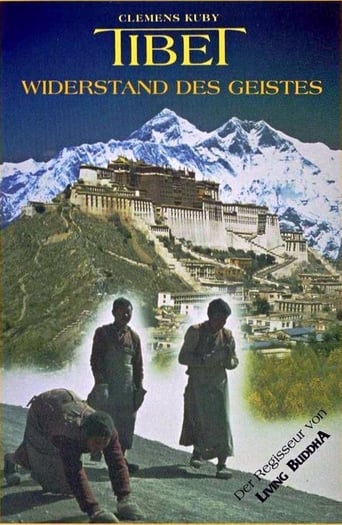 10.0
Tibet: The Survival of the Spirit
1989 · Documentary 8.0
Earth: Muted
2021 · Documentary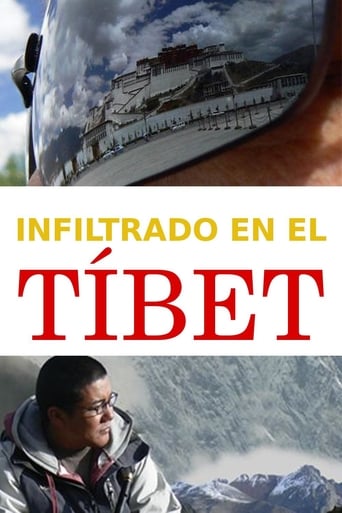
Undercover in Tibet
2008 · Documentary 6.3
How China Got Rich
2019 · Documentary 7.2
10 Questions for the Dalai Lama
2006 · Documentary
La brèche
2021 · Documentary