Valparaiso (1964)
61 votes on TMDBReleased August 31, 1964Runtime 0h 27mDirector Joris Ivens
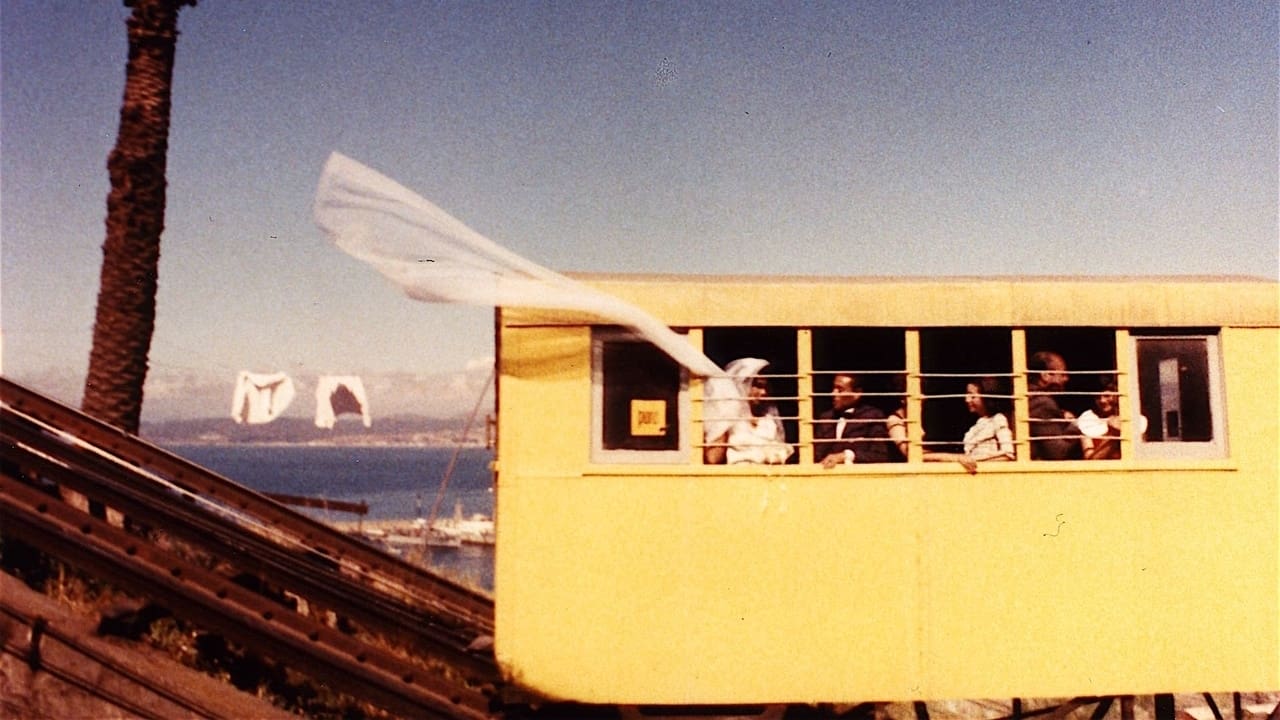
In 1962 Joris Ivens was invited to Chile for teaching and filmmaking. Together with students he made …A Valparaíso, one of his most poetic films. Contrasting the prestigious history of the seaport with the present the film sketches a portrait of the city, built on 42 hills, with its wealth and poverty, its daily life on the streets, the stairs, the rack railways and in the bars. Although the port has lost its importance, the rich past is still present in the impoverished city. The film echoes this ambiguous situation in its dialectical poetic style, interweaving the daily life reality (of 1963) with the history of the city and changing from black and white to colour, finally leaving us with hopeful perspective for the children who are playing on the stairs and hills of this beautiful town.
Where to watch Valparaiso
Streaming, rental and purchase options in the United States.
Stream
 MUBI
 MUBI Amazon Channel
 DocAlliance Films
Rent
DocAlliance FilmsBuy
DocAlliance FilmsAvailability changes often. Streaming data is provided by JustWatch via TMDB. MoviesBoxHD does not host or stream any video files.
About Valparaiso
Where can I watch Valparaiso?
Valparaiso is currently streaming in the United States on MUBI, MUBI Amazon Channel, DocAlliance Films.
Who stars in Valparaiso?
Valparaiso stars Roger Pigaut.
Who directed Valparaiso?
Valparaiso was directed by Joris Ivens.
How long is Valparaiso?
Valparaiso has a runtime of 0h 27m.
What is Valparaiso about?
In 1962 Joris Ivens was invited to Chile for teaching and filmmaking. Together with students he made …A Valparaíso, one of his most poetic films. Contrasting the prestigious history of the seaport with the present the film sketches a portrait of the city, built on 42 hills, with its wealth and poverty, its daily life on the streets, the stairs, the rack railways and in the bars. Although the port has lost its importance, the rich past is still present in the impoverished city. The film echoes this ambiguous situation in its dialectical poetic style, interweaving the daily life reality (of 1963) with the history of the city and changing from black and white to colour, finally leaving us with hopeful perspective for the children who are playing on the stairs and hills of this beautiful town.
Movies like Valparaiso
Madame Favre's
2026 · Documentary 4.3
Panorama of Ealing from a Moving Tram
1901 · Documentary 1.0
I'm Carl Lewis!
2025 · Documentary 6.6
Lorena: Light-Footed Woman
2019 · Documentary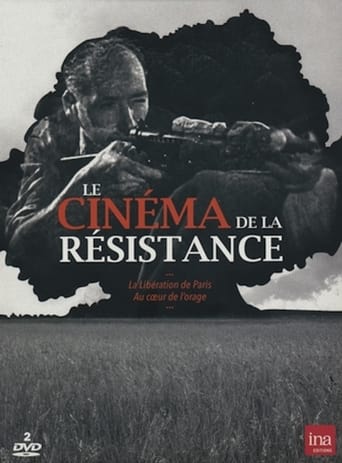 6.0
The Liberation of Paris
1944 · Documentary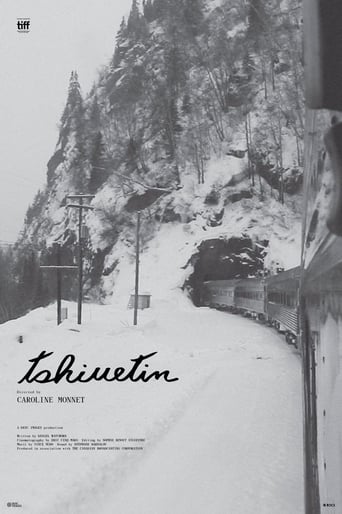
Tshiuetin
2016 · Documentary 7.0
Bird Woman
2024 · Documentary
Home Again
2025 · Documentary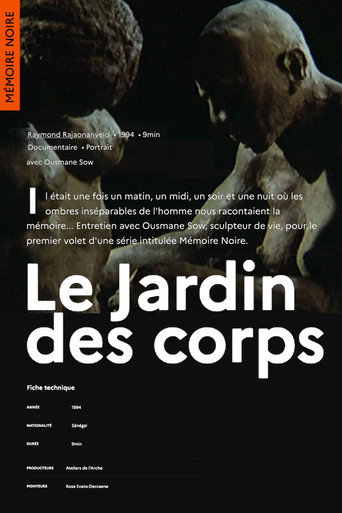 8.0
Le Jardin des Corps
1994 · Documentary 5.2
Venice, Feeding the Pigeons in St. Mark's Square
1898 · Documentary
Valdivia 1960, El Gran Terremoto
1992 · Documentary