
Beethoven Piano Concertos 1-5 (1974)
These recordings, filmed in March and April 1974 for the BBC, occurred at the tail end of the old performance era and the very start of the new. Vladimir Ashkenazy was a graduate of the same Soviet school of piano playing that produced Sviatoslav Richter, Emil Gilels, Lazar Berman and a host of others of that era. There are simularities that unite them, including a broad romanticism, a degree of Lisztian showmanship coupled with periods of introspection, powerful technique that occasionally borders on pounding and an intellectual streak that produces some deeply insightful playing. Ashkenazy was younger than the others, more modern in his playing.
Where to watch Beethoven Piano Concertos 1-5
Streaming, rental and purchase options in the United States.
We do not have United States streaming information for this title yet. Check back closer to its release.
Availability changes often. Streaming data is provided by JustWatch via TMDB. MoviesBoxHD does not host or stream any video files.
Cast of Beethoven Piano Concertos 1-5

Vladimir Ashkenazy
HimselfAbout Beethoven Piano Concertos 1-5
Where can I watch Beethoven Piano Concertos 1-5?
We do not have streaming information for Beethoven Piano Concertos 1-5 yet. Check back soon.
Who stars in Beethoven Piano Concertos 1-5?
Beethoven Piano Concertos 1-5 stars Vladimir Ashkenazy, Bernard Haitink, London Philharmonic Orchestra.
Who directed Beethoven Piano Concertos 1-5?
Beethoven Piano Concertos 1-5 was directed by Brian Large.
How long is Beethoven Piano Concertos 1-5?
Beethoven Piano Concertos 1-5 has a runtime of 3h 0m.
What is Beethoven Piano Concertos 1-5 about?
These recordings, filmed in March and April 1974 for the BBC, occurred at the tail end of the old performance era and the very start of the new. Vladimir Ashkenazy was a graduate of the same Soviet school of piano playing that produced Sviatoslav Richter, Emil Gilels, Lazar Berman and a host of others of that era. There are simularities that unite them, including a broad romanticism, a degree of Lisztian showmanship coupled with periods of introspection, powerful technique that occasionally borders on pounding and an intellectual streak that produces some deeply insightful playing. Ashkenazy was younger than the others, more modern in his playing.
Movies like Beethoven Piano Concertos 1-5
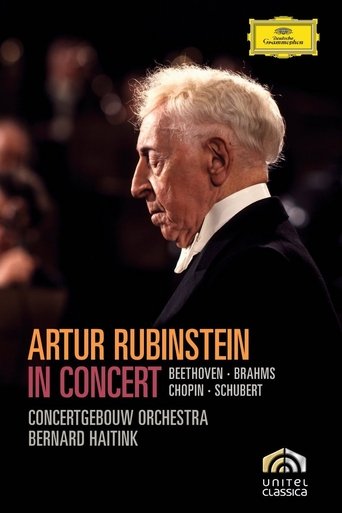 7.0
Rubinstein in Concert
1973
Waldbühne 2009 | Russian Rhythms
2009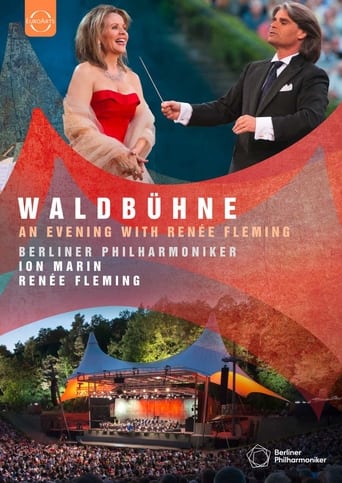
Waldbühne 2010 | An Evening with Renée Fleming
2010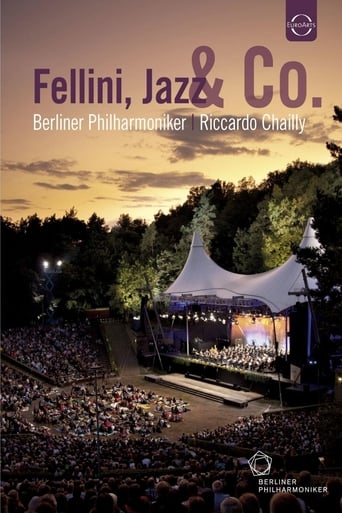 10.0
Waldbühne 2011: Fellini, Jazz & Co
2011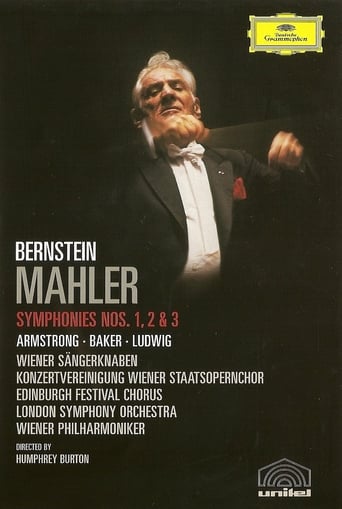 10.0
Mahler - Symphonies Nos. 1, 2 & 3
1973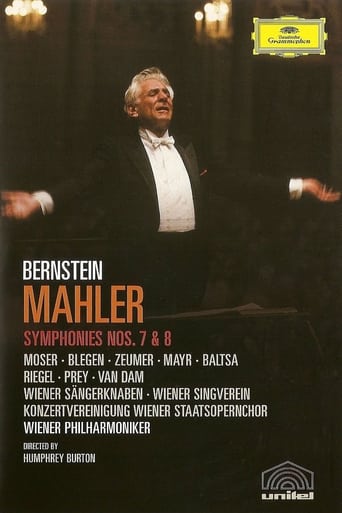
Mahler - Symphonies Nos. 7 & 8
1975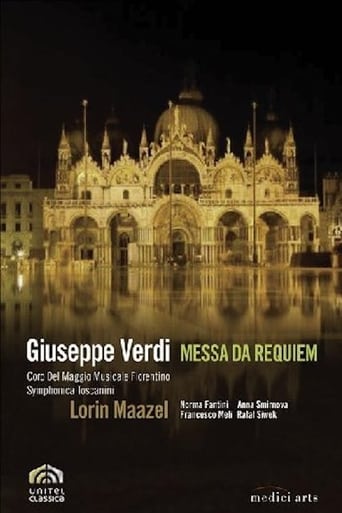
Verdi Requiem
2007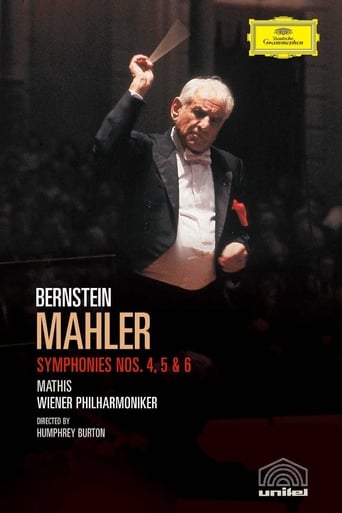 10.0
Mahler - Symphonies Nos. 4, 5 & 6
1976 7.0
Rostropovich Life & Art
2007
The Metropolitan Opera Centennial Gala
1983
Beethoven Symphonies Nos. 4 & 7; Coriolan Overture
2010 9.0