
A Seventy-Four Year-Old Fellow (1964)
Documentary about the history of Jornal do Brasil, founded on April 14, 1891. In 1965, the Jornal do Brasil marked its innovative and active position, as recorded in the documentary "A Seventv-Four- Year-Old Fellow" by the filmmaker Nelson Pereira dos Santos, and the story itself was in charge of confirming. In the following years, the newspaper would witness the most remarkable events of the second half of the twentieth century in Brazil and in the world. It would applaud the democratic struggles and independence of peoples, support social demonstrations against oppression and justice at all levels. Tirelessly, he did not hesitate to report the truth of the facts, regardless of the circumstances in which they presented themselves.
Where to watch A Seventy-Four Year-Old Fellow
Streaming, rental and purchase options in the United States.
We do not have United States streaming information for this title yet. Check back closer to its release.
Availability changes often. Streaming data is provided by JustWatch via TMDB. MoviesBoxHD does not host or stream any video files.
About A Seventy-Four Year-Old Fellow
Where can I watch A Seventy-Four Year-Old Fellow?
We do not have streaming information for A Seventy-Four Year-Old Fellow yet. Check back soon.
Who stars in A Seventy-Four Year-Old Fellow?
A Seventy-Four Year-Old Fellow stars Alberto Cury.
Who directed A Seventy-Four Year-Old Fellow?
A Seventy-Four Year-Old Fellow was directed by Nelson Pereira dos Santos.
How long is A Seventy-Four Year-Old Fellow?
A Seventy-Four Year-Old Fellow has a runtime of 0h 11m.
What is A Seventy-Four Year-Old Fellow about?
Documentary about the history of Jornal do Brasil, founded on April 14, 1891. In 1965, the Jornal do Brasil marked its innovative and active position, as recorded in the documentary "A Seventv-Four- Year-Old Fellow" by the filmmaker Nelson Pereira dos Santos, and the story itself was in charge of confirming. In the following years, the newspaper would witness the most remarkable events of the second half of the twentieth century in Brazil and in the world. It would applaud the democratic struggles and independence of peoples, support social demonstrations against oppression and justice at all levels. Tirelessly, he did not hesitate to report the truth of the facts, regardless of the circumstances in which they presented themselves.
Movies like A Seventy-Four Year-Old Fellow
 10.0
A Bunch of Questions With No Answers
2025 · Documentary 9.0
Digital Edition
2016 · Documentary 5.0
Newspaper Train
1942 · Documentary 6.0
One Rogue Reporter
2014 · Comedy 6.8
Nothing to Hide
2017 · Documentary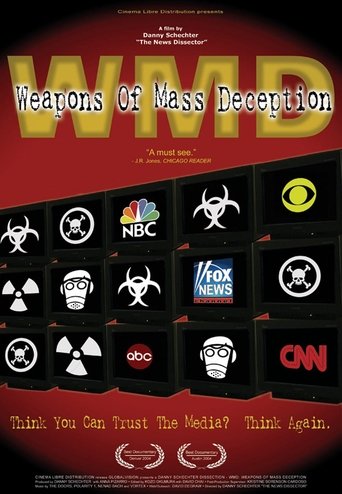 7.3
WMD: Weapons of Mass Deception
2004 · Documentary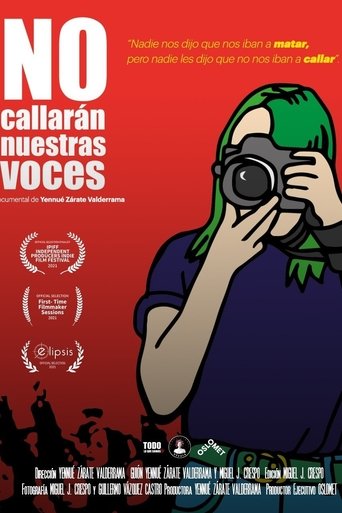
They Will Not Silence Our Voices
2020 · Documentary 8.8
Citizen Krone, Austria between the Lines
2002 · Documentary
The Astronaut is Unimpressed
2026 · Documentary 7.8
Search and Seizure: The Rise of Insurrection
2025 · Documentary 7.5
En première ligne, le reporter au cinéma
2025 · Documentary