China's Lost Pyramids (2010)
1 votes on TMDBReleased September 24, 2010Runtime 0h 50mDirector Steven R. Talley
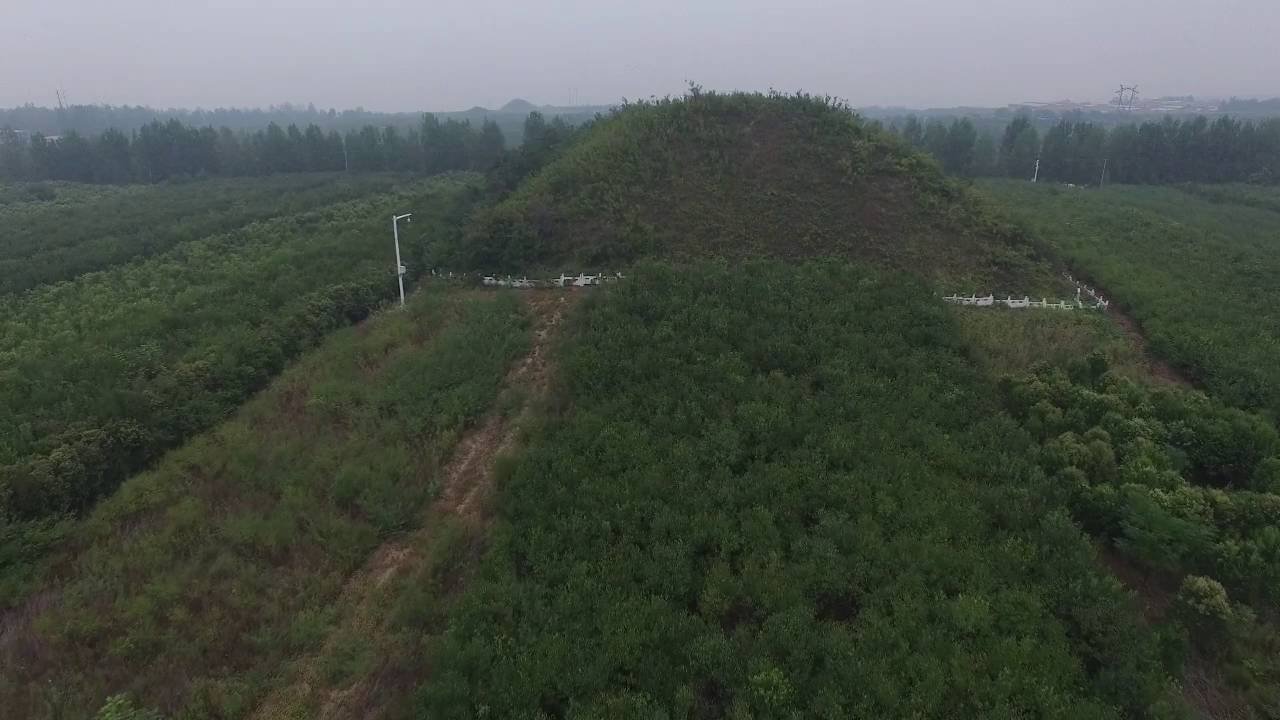
In China, there exists an astonishing place. A burial ground to rival Egypt’s Valley of the Kings, where pyramid tombs of stupendous size are full of astonishing riches. In 221 BC, China's first Emperor united warring kingdoms into a nation that still exists today. To memorialise this achievement, he bankrupted the national treasury and oppressed thousands of workers to build one of the world’s biggest mortuary complexes. China's second dynasty, the Han, inherited the daunting challenge of building larger tombs to command respect and establish their right to rule without running the nation into the ground. Although no Han emperor's tomb has been opened, the tombs of lesser Han aristocrats have revealed astonishing things: complete underground palaces (including kitchens and toilets) and at least one corpse so amazingly well-preserved some believe Han tomb-builders knew how to "engineer immortality".
Where to watch China's Lost Pyramids
Streaming, rental and purchase options in the United States.
Stream
 Magellan TV
Availability changes often. Streaming data is provided by JustWatch via TMDB. MoviesBoxHD does not host or stream any video files.
Cast of China's Lost Pyramids

Craig Parker
NarratorAbout China's Lost Pyramids
Where can I watch China's Lost Pyramids?
China's Lost Pyramids is currently streaming in the United States on Magellan TV.
Who stars in China's Lost Pyramids?
China's Lost Pyramids stars Craig Parker.
Who directed China's Lost Pyramids?
China's Lost Pyramids was directed by Steven R. Talley.
How long is China's Lost Pyramids?
China's Lost Pyramids has a runtime of 0h 50m.
What is China's Lost Pyramids about?
In China, there exists an astonishing place. A burial ground to rival Egypt’s Valley of the Kings, where pyramid tombs of stupendous size are full of astonishing riches. In 221 BC, China's first Emperor united warring kingdoms into a nation that still exists today. To memorialise this achievement, he bankrupted the national treasury and oppressed thousands of workers to build one of the world’s biggest mortuary complexes. China's second dynasty, the Han, inherited the daunting challenge of building larger tombs to command respect and establish their right to rule without running the nation into the ground. Although no Han emperor's tomb has been opened, the tombs of lesser Han aristocrats have revealed astonishing things: complete underground palaces (including kitchens and toilets) and at least one corpse so amazingly well-preserved some believe Han tomb-builders knew how to "engineer immortality".
Movies like China's Lost Pyramids
 7.7
A Day on the Grand Canal with the Emperor of China or: Surface Is Illusion But So Is Depth
1988 · Documentary
Peter Eisenman: Building Germany's Holocaust Memorial
2009 · Documentary 10.0
The Feminist Library
2016 · Documentary
The Keepers of the Streak
2015 · Documentary 7.4
Taiwan: A Digital Democracy in China's Shadow
2021 · Documentary 10.0
The Aviatrix
2015 · Adventure 8.0
La Belle Epoque
1983 · Documentary 6.0
Warrior Women with Lupita Nyong'o
2019 · Documentary
Rockpile
2018 · Documentary 10.0
Cine de Emboscada
2017 · Documentary 6.7
Accidental Anarchist
2017 · Documentary 4.0