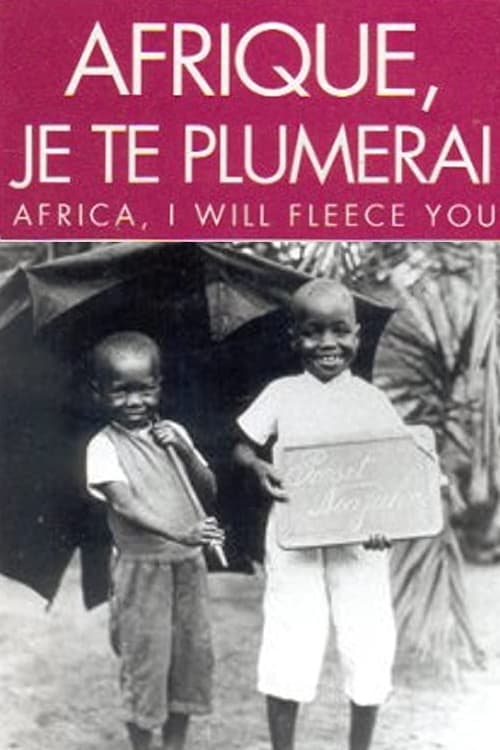
Africa, I Will Fleece You (1993)
8 votes on TMDBReleased January 1, 1993Runtime 1h 28mDirector Jean-Marie Téno
This documentary of repressive political realities in Cameroon begins with the 1990 publication of an open letter to President Biya calling for a national conference - and the immediate arrest of the letter's author and publisher. The narration then examines the nation's colonial history, beginning with the first German missionary in 1901, the establishment of schools, French occupation following World War I, the paucity of books written by and published by Cameroonians, and the repression of the CPU, a leftist organization of the 1950s and 1960s. Cameroon and its people are the lark, its feathers plucked first by colonialism and then by native strongmen: 'Alouette, je te plumerai.'
Where to watch Africa, I Will Fleece You
Streaming, rental and purchase options in the United States.
Rent
 Amazon Video
Buy
Amazon VideoAvailability changes often. Streaming data is provided by JustWatch via TMDB. MoviesBoxHD does not host or stream any video files.
Cast of Africa, I Will Fleece You

Jean-Marie Téno
NarratorAbout Africa, I Will Fleece You
Where can I watch Africa, I Will Fleece You?
Africa, I Will Fleece You is available to rent or buy in the United States on Amazon Video.
Who stars in Africa, I Will Fleece You?
Africa, I Will Fleece You stars Narcisse Kouokam, Marie Claire Dati, Aboubakar Toine, Ange Guetouom, Jean-Marie Téno.
Who directed Africa, I Will Fleece You?
Africa, I Will Fleece You was directed by Jean-Marie Téno.
How long is Africa, I Will Fleece You?
Africa, I Will Fleece You has a runtime of 1h 28m.
What is Africa, I Will Fleece You about?
This documentary of repressive political realities in Cameroon begins with the 1990 publication of an open letter to President Biya calling for a national conference - and the immediate arrest of the letter's author and publisher. The narration then examines the nation's colonial history, beginning with the first German missionary in 1901, the establishment of schools, French occupation following World War I, the paucity of books written by and published by Cameroonians, and the repression of the CPU, a leftist organization of the 1950s and 1960s. Cameroon and its people are the lark, its feathers plucked first by colonialism and then by native strongmen: 'Alouette, je te plumerai.'
Movies like Africa, I Will Fleece You
 6.0
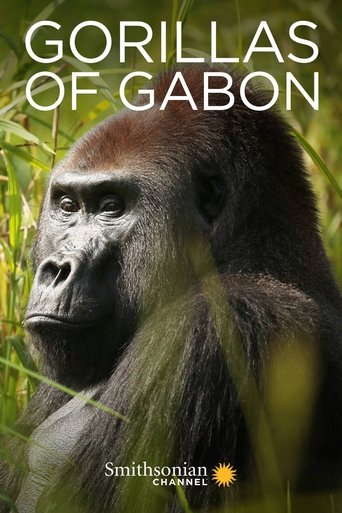
Gorillas of Gabon
2019 · Documentary 10.0
Africa's Wild Roommates: How Animals Share Bed and Board
2020 · Documentary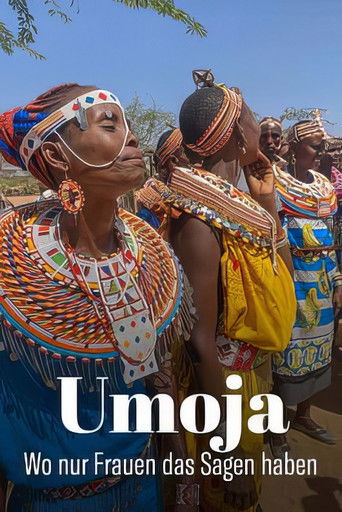 9.0
Umoja - Wo nur Frauen das Sagen haben
2023 · Documentary 9.0
Mining for God
2015 · Family 7.5
Rwanda
2019 · Action 7.2
Out of Africa
1985 · History
The Lost Wave
2007 · Documentary 10.0
Mögöbalu, Les Maîtres des Tambours d'Afrique
1998 · Documentary 7.5
The Man Who Stopped the Desert
2010 · Documentary 6.4
Fadhma N'Soumer
2014 · War 6.6
Mountains of the Moon
1990 · Adventure 10.0