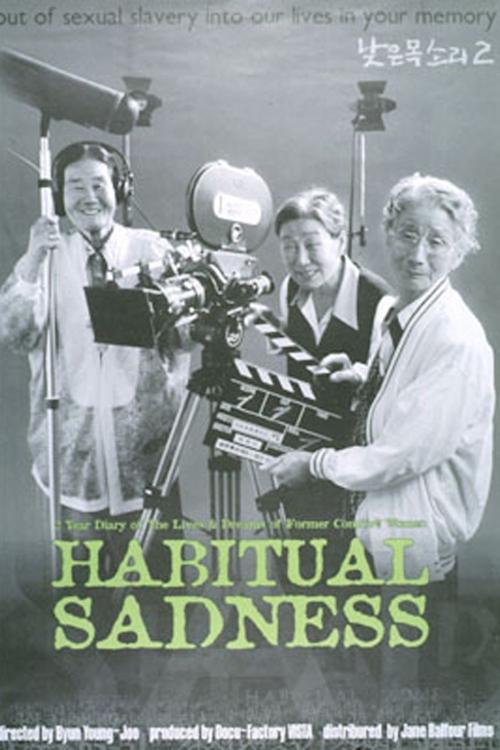
Habitual Sadness (1997)
2 votes on TMDBReleased August 23, 1997Runtime 0h 57mDirector Byun Young-joo
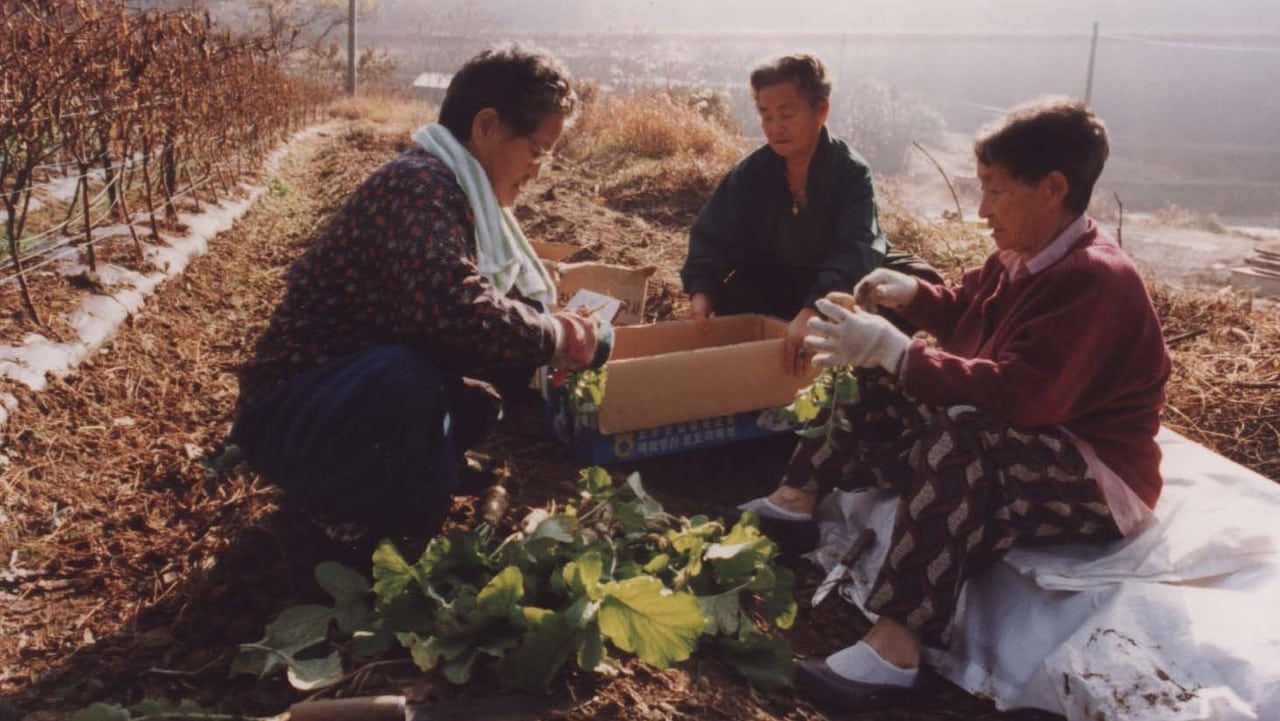
The story of the women at the "House of Sharing" continues. Old women who share a common bond lead a peaceful life in the countryside, raising vegetables, chickens and painting pictures. They are no different from the elderly women we see every day. But they are all scarred by pain and sorrow from their collective history of being comfort women during World War 2. They became subject to prejudice in their own homeland after their return to Korea. It is painful for them to watch other peoples' children and grandchildren, and they feel rage when the Japanese government tries to cover up the unspeakable crimes they committed against them. The film asks us to remember what these women sacrificed and the shame and misery they faced even as these individuals pass away often forgotten by their own people.
Where to watch Habitual Sadness
Streaming, rental and purchase options in the United States.
We do not have United States streaming information for this title yet. Check back closer to its release.
Availability changes often. Streaming data is provided by JustWatch via TMDB. MoviesBoxHD does not host or stream any video files.
About Habitual Sadness
Where can I watch Habitual Sadness?
We do not have streaming information for Habitual Sadness yet. Check back soon.
Who directed Habitual Sadness?
Habitual Sadness was directed by Byun Young-joo.
How long is Habitual Sadness?
Habitual Sadness has a runtime of 0h 57m.
What is Habitual Sadness about?
The story of the women at the "House of Sharing" continues. Old women who share a common bond lead a peaceful life in the countryside, raising vegetables, chickens and painting pictures. They are no different from the elderly women we see every day. But they are all scarred by pain and sorrow from their collective history of being comfort women during World War 2. They became subject to prejudice in their own homeland after their return to Korea. It is painful for them to watch other peoples' children and grandchildren, and they feel rage when the Japanese government tries to cover up the unspeakable crimes they committed against them. The film asks us to remember what these women sacrificed and the shame and misery they faced even as these individuals pass away often forgotten by their own people.
Movies like Habitual Sadness
 8.0
Keep Talking
2017 · Documentary 10.0
Sister Aimee
2007 · Documentary 7.6
Forbidden Lie$
2007 · Documentary 8.0
Jon Stewart: Unleavened
1996 · Comedy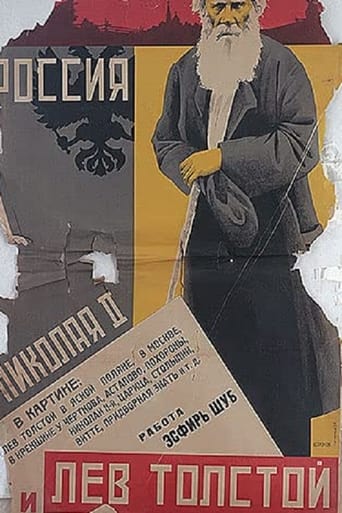 10.0
Lev Tolstoy and the Russia of Nicolai II
1928 · Documentary 7.0
Trouble the Water
2008 · Documentary
The Sunrise Storyteller
2017 · Documentary 7.0
Feminista
2017 · Documentary
Die Uneinsichtigen - Aids-Aktivismus in Frankfurt
2024 · Documentary 6.2
Annie Oakley
2006 · History 7.3
The Rape of Europa
2007 · Documentary 7.0