
Capitalism Hits the Fan (2009)
2 votes on TMDBReleased January 1, 2009Runtime 0h 57mDirector Sut Jhally
With breathtaking clarity, renowned University of Massachusetts Economics Professor Richard Wolff breaks down the root causes of today's economic crisis, showing how it was decades in the making and in fact reflects seismic failures within the structures of American-style capitalism itself. Wolff traces the source of the economic crisis to the 1970s, when wages began to stagnate and American workers were forced into a dysfunctional spiral of borrowing and debt that ultimately exploded in the mortgage meltdown. By placing the crisis within this larger historical and systemic frame, Wolff argues convincingly that the proposed government "bailouts," stimulus packages, and calls for increased market regulation will not be enough to address the real causes of the crisis, in the end suggesting that far more fundamental change will be necessary to avoid future catastrophes.
Where to watch Capitalism Hits the Fan
Streaming, rental and purchase options in the United States.
Availability changes often. Streaming data is provided by JustWatch via TMDB. MoviesBoxHD does not host or stream any video files.
Cast of Capitalism Hits the Fan

Richard D. Wolff
himselfAbout Capitalism Hits the Fan
Where can I watch Capitalism Hits the Fan?
We do not have streaming information for Capitalism Hits the Fan yet. Check back soon.
Who stars in Capitalism Hits the Fan?
Capitalism Hits the Fan stars Richard D. Wolff.
Who directed Capitalism Hits the Fan?
Capitalism Hits the Fan was directed by Sut Jhally.
How long is Capitalism Hits the Fan?
Capitalism Hits the Fan has a runtime of 0h 57m.
What is Capitalism Hits the Fan about?
With breathtaking clarity, renowned University of Massachusetts Economics Professor Richard Wolff breaks down the root causes of today's economic crisis, showing how it was decades in the making and in fact reflects seismic failures within the structures of American-style capitalism itself. Wolff traces the source of the economic crisis to the 1970s, when wages began to stagnate and American workers were forced into a dysfunctional spiral of borrowing and debt that ultimately exploded in the mortgage meltdown. By placing the crisis within this larger historical and systemic frame, Wolff argues convincingly that the proposed government "bailouts," stimulus packages, and calls for increased market regulation will not be enough to address the real causes of the crisis, in the end suggesting that far more fundamental change will be necessary to avoid future catastrophes.
Movies like Capitalism Hits the Fan
 5.0
Ghetto - The Secret Life of the City
1996 · Documentary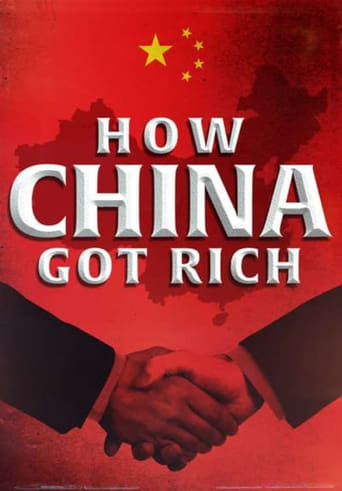 6.3
How China Got Rich
2019 · Documentary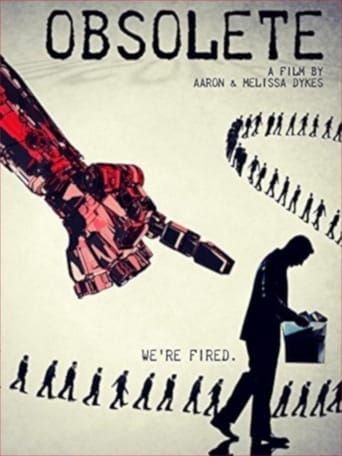 5.5
Obsolete
2016 · Documentary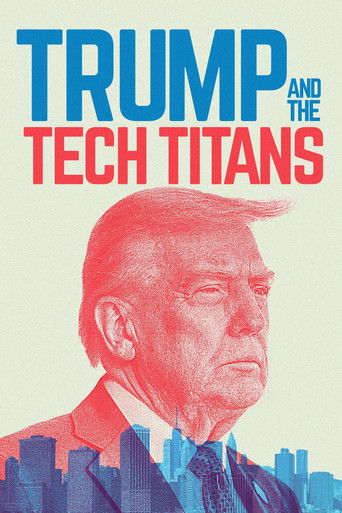 7.8
Trump and the Tech Titans
2025 · Documentary 8.0
11 Underground
2024 · Documentary
A Terra em que Pisar
2019 · Documentary 7.0
I.O.U.S.A.
2008 · Documentary 10.0
Cine de Emboscada
2017 · Documentary 6.8
Žižek!
2005 · Documentary 7.0
L'initiation
2008 · Documentary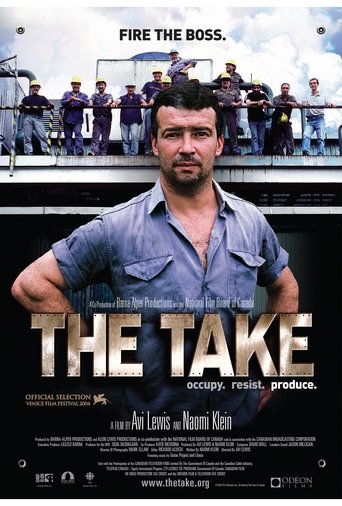 7.8
The Take
2004 · Documentary 6.0