The Outlaws (1969)
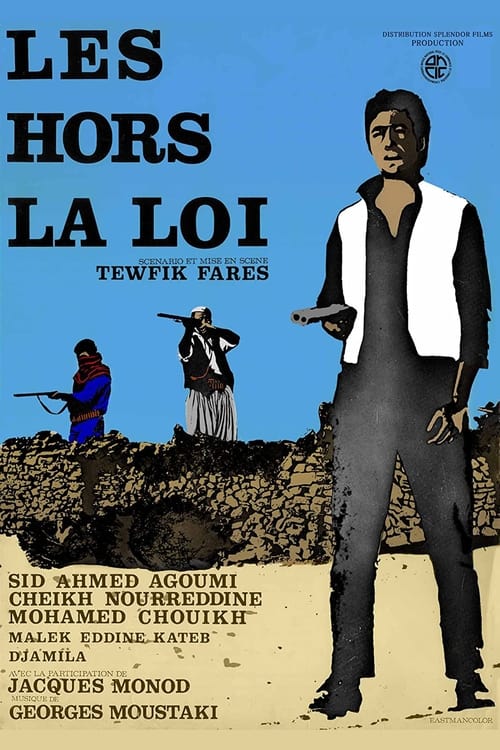
4 votes on TMDBReleased January 1, 1969Runtime 1h 37mDirector Tewfik Farès
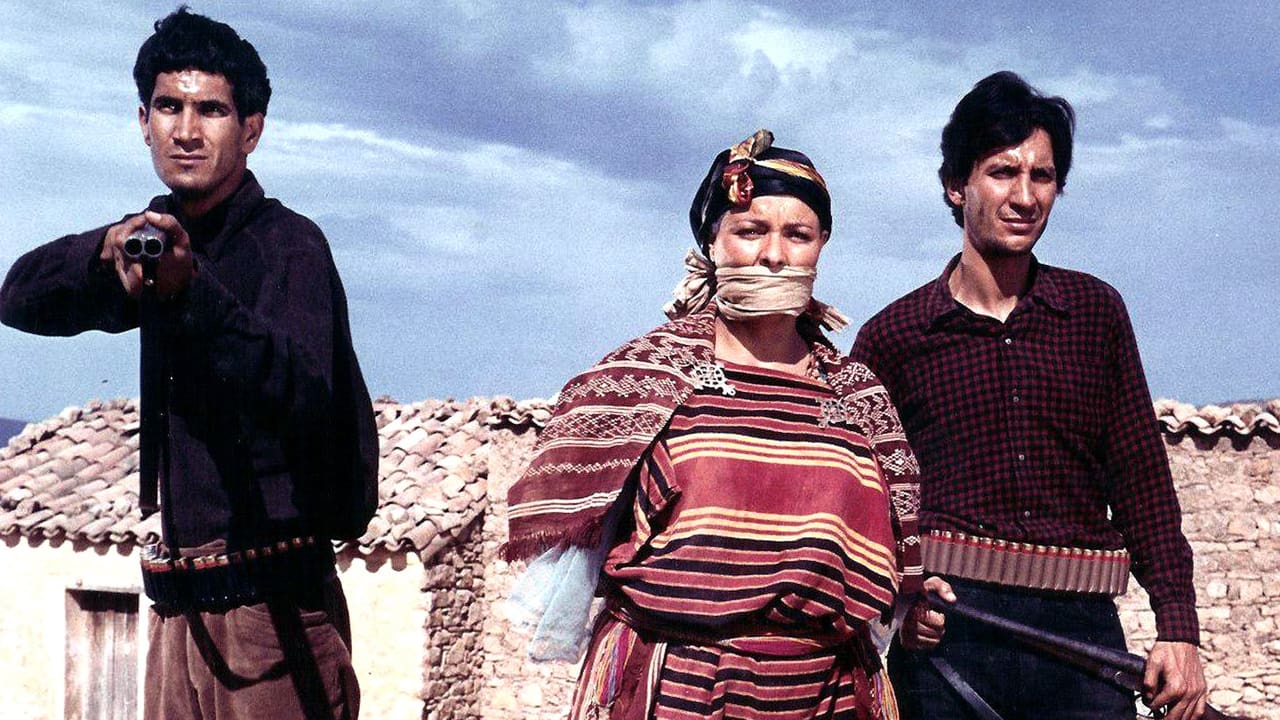
In prison in colonial Algeria, shortly after the end of the Second World War, three indigenous cellmates make out. Once free, they attack the authority represented by the triad of the boss, the gendarme and the administrator. “Living the colonial condition,” confided Tewfik Farès, “is something! It’s not sociologically or historically speaking. It’s life. And I think that’s all there in it. [...] For a hundred and thirty years, we wait. We hold back. We push back. We hope. At the same time, on different occasions, there are skirmishes, unrest.
Where to watch The Outlaws
Streaming, rental and purchase options in the United States.
We do not have United States streaming information for this title yet. Check back closer to its release.
Availability changes often. Streaming data is provided by JustWatch via TMDB. MoviesBoxHD does not host or stream any video files.
Cast of The Outlaws

Sid Ahmed Agoumi
Slimane
Nourredine Meziane (Cheikh Nourredine)
Moh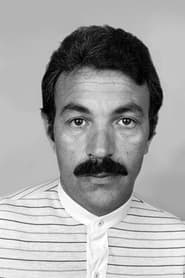
Mohamed Chouikh
Ali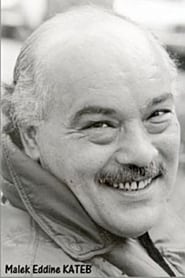
Malek Kateb
Brahim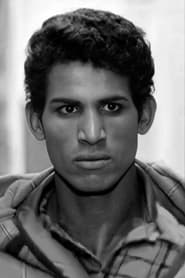
Brahim Hadjadj
Le Charretier
Djohra Bachene
Zhera
Jacques Monod
L'administrateur
Areski Nebti
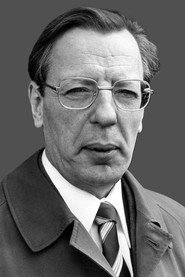
Jean Bouise
Marc
Mazouz Ould-Abderrahmane

Mostéfa Stiti
L'AuxiliaireAbout The Outlaws
Where can I watch The Outlaws?
We do not have streaming information for The Outlaws yet. Check back soon.
Who stars in The Outlaws?
The Outlaws stars Sid Ahmed Agoumi, Nourredine Meziane (Cheikh Nourredine), Mohamed Chouikh, Malek Kateb, Brahim Hadjadj.
Who directed The Outlaws?
The Outlaws was directed by Tewfik Farès.
How long is The Outlaws?
The Outlaws has a runtime of 1h 37m.
What is The Outlaws about?
In prison in colonial Algeria, shortly after the end of the Second World War, three indigenous cellmates make out. Once free, they attack the authority represented by the triad of the boss, the gendarme and the administrator. “Living the colonial condition,” confided Tewfik Farès, “is something! It’s not sociologically or historically speaking. It’s life. And I think that’s all there in it. [...] For a hundred and thirty years, we wait. We hold back. We push back. We hope. At the same time, on different occasions, there are skirmishes, unrest.
Movies like The Outlaws
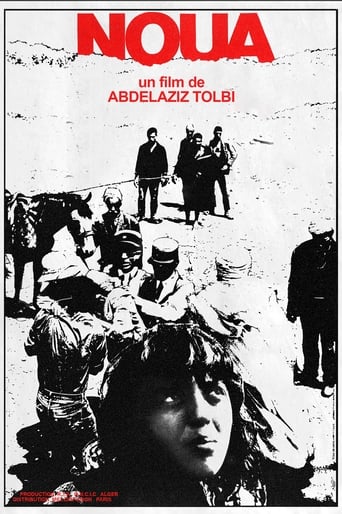 8.5
Noua
1972 · Drama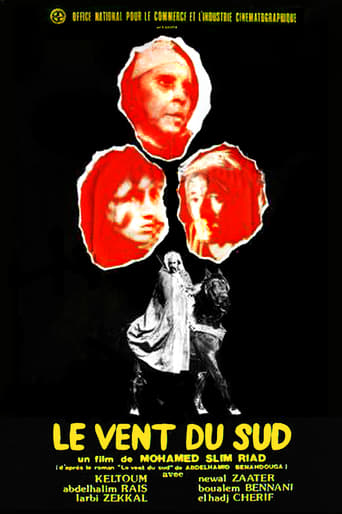 10.0
Wind from the South
1975 · Drama 7.8
Dust to Dust
1994 · Western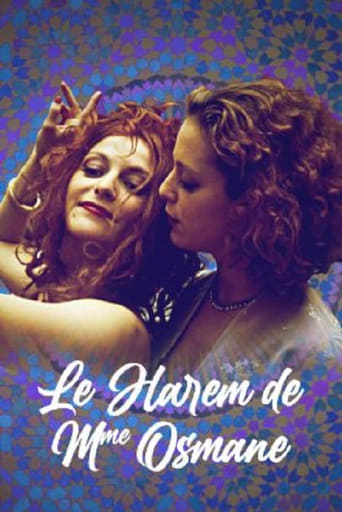 6.1
The Harem of Madame Osmane
2000 · Comedy 7.5
Broken Trail: The Making of a Legendary Western
2006 · Western 6.6
Hacksaw
1971 · Adventure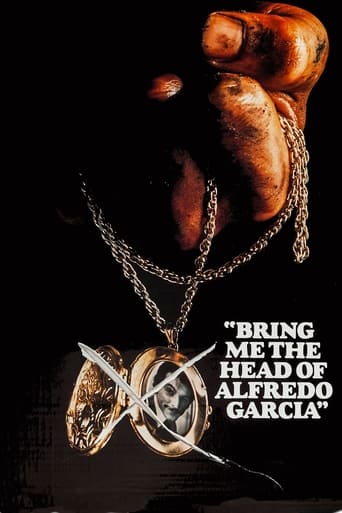 7.1
Bring Me the Head of Alfredo Garcia
1974 · Action 6.7
Young Guns
1988 · Western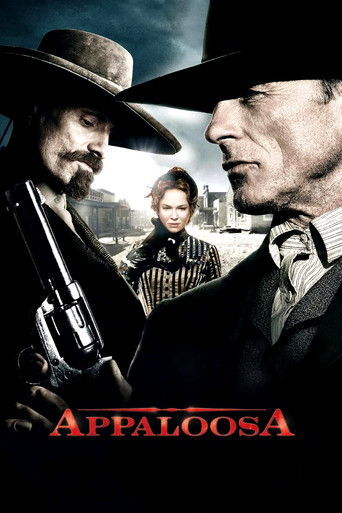 6.6
Appaloosa
2008 · Drama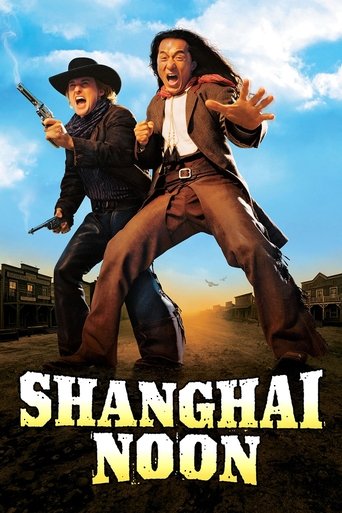 6.4
Shanghai Noon
2000 · Adventure 5.3
Wild Wild West
1999 · Action 7.2