Moravian Hellas (1964)
5 votes on TMDBReleased January 1, 1964Runtime 0h 33mDirector Karel Vachek
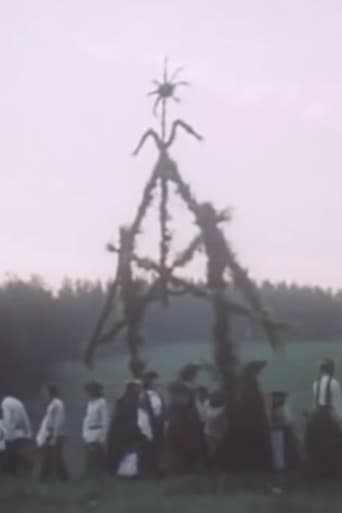
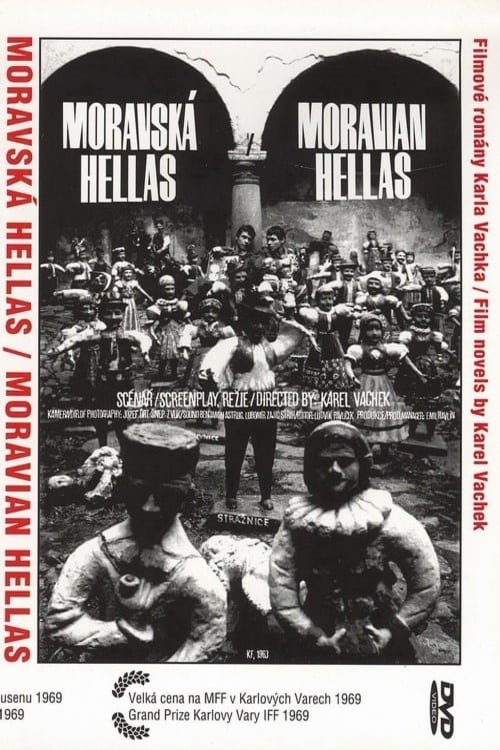
Karel Vachek’s graduate film offers us a documentary essay which is both a light-hearted and aggressive little piece and also a parody of investigative film journalism. The Strážnice folk festival, backed by the cultural Party apparatus of the time, for years had little to commend itself to authentic folklore. In the film the event assumes the form of a bizarre stage spectacle with almost surrealistic elements that Vachek reinforces with unconventional approaches (commentary appearing as titles on screen, singing, declamations into the camera, feature etudes, the fusion of news coverage and fiction). The result is a stirring film collage depicting various characters, from crowd-pleasers, Easter egg decorators, kitsch artists and peddlers, to museologists and local residents, all of whom come up against the eccentric "identical” twin reporters Karel and Jan Saudek and a bored actress who appears as an extra. Using their special blend of irony and wit, they present us with the sad truth.
Where to watch Moravian Hellas
Streaming, rental and purchase options in the United States.
Stream
 DocAlliance Films
Rent
DocAlliance FilmsAvailability changes often. Streaming data is provided by JustWatch via TMDB. MoviesBoxHD does not host or stream any video files.
Cast of Moravian Hellas
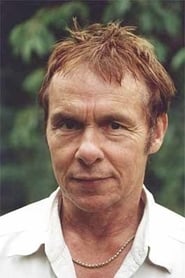
Jan Saudek
Twin B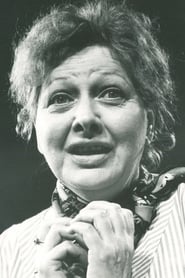
Alena Skokanová
About Moravian Hellas
Where can I watch Moravian Hellas?
Moravian Hellas is currently streaming in the United States on DocAlliance Films.
Who stars in Moravian Hellas?
Moravian Hellas stars Josef Lebánek, Jan Saudek, Kája Saudek, Alena Skokanová, Jožka Severin.
Who directed Moravian Hellas?
Moravian Hellas was directed by Karel Vachek.
How long is Moravian Hellas?
Moravian Hellas has a runtime of 0h 33m.
What is Moravian Hellas about?
Karel Vachek’s graduate film offers us a documentary essay which is both a light-hearted and aggressive little piece and also a parody of investigative film journalism. The Strážnice folk festival, backed by the cultural Party apparatus of the time, for years had little to commend itself to authentic folklore. In the film the event assumes the form of a bizarre stage spectacle with almost surrealistic elements that Vachek reinforces with unconventional approaches (commentary appearing as titles on screen, singing, declamations into the camera, feature etudes, the fusion of news coverage and fiction). The result is a stirring film collage depicting various characters, from crowd-pleasers, Easter egg decorators, kitsch artists and peddlers, to museologists and local residents, all of whom come up against the eccentric "identical” twin reporters Karel and Jan Saudek and a bored actress who appears as an extra. Using their special blend of irony and wit, they present us with the sad truth.