Still Warm (2026)
One street. One cup. A century of exchange.
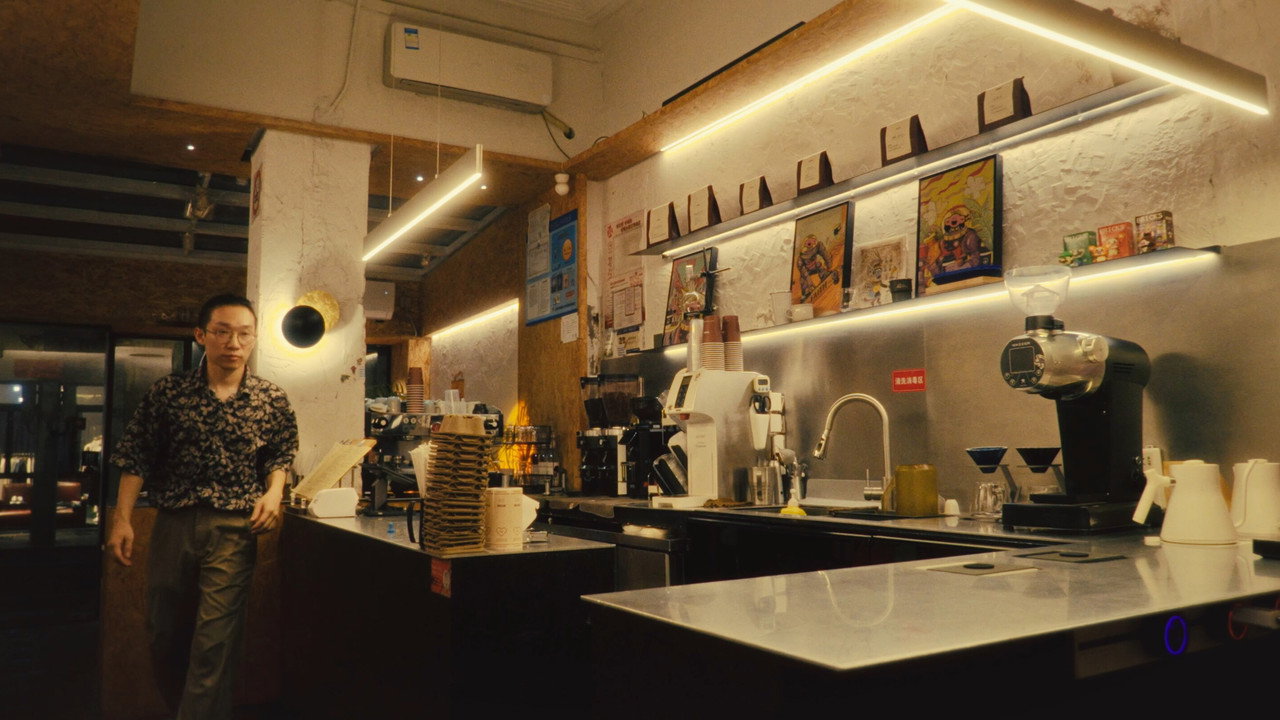
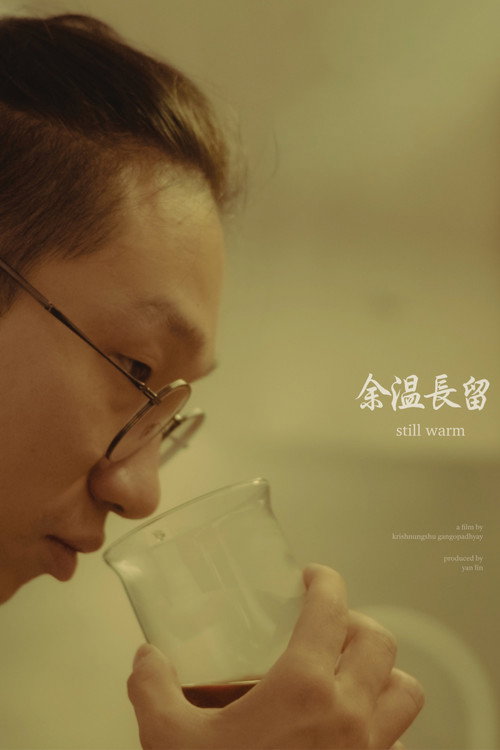
"Still Warm" follows one day in the life of Hito, who runs Umah, an independent coffee shop on Nanchang Road, one of 64 streets in Shanghai that has never been widened. From first light to last, the film moves outward in expanding circles: from his hands at the first morning pour-over, to the alley, to the neighbourhood, to a century of exchange between East and West, and then folds quietly back to where it began. A city learns to metabolize something foreign. A man learns that what he makes only fully exists when given away. These two arcs, one intimate and one historical, turn out to be the same arc. The longtang knew this long before either of them did. Shot in a purely observational mode, it is a film about craft, preservation, and the kind of care that leaves no record of itself except in the places it quietly keeps alive. What remains when the lights go out is not absence. It is everything that passed through and stayed.
Where to watch Still Warm
Streaming, rental and purchase options in the United States.
We do not have United States streaming information for this title yet. Check back closer to its release.
Availability changes often. Streaming data is provided by JustWatch via TMDB. MoviesBoxHD does not host or stream any video files.
About Still Warm
Where can I watch Still Warm?
We do not have streaming information for Still Warm yet. Check back soon.
Who stars in Still Warm?
Still Warm stars Hito.
Who directed Still Warm?
Still Warm was directed by Krishnungshu Gangopadhyay.
How long is Still Warm?
Still Warm has a runtime of 0h 11m.
What is Still Warm about?
"Still Warm" follows one day in the life of Hito, who runs Umah, an independent coffee shop on Nanchang Road, one of 64 streets in Shanghai that has never been widened. From first light to last, the film moves outward in expanding circles: from his hands at the first morning pour-over, to the alley, to the neighbourhood, to a century of exchange between East and West, and then folds quietly back to where it began. A city learns to metabolize something foreign. A man learns that what he makes only fully exists when given away. These two arcs, one intimate and one historical, turn out to be the same arc. The longtang knew this long before either of them did. Shot in a purely observational mode, it is a film about craft, preservation, and the kind of care that leaves no record of itself except in the places it quietly keeps alive. What remains when the lights go out is not absence. It is everything that passed through and stayed.
Movies like Still Warm
 9.0
Gary and Milo
2024 · Science Fiction
Unspoken
Documentary
The Ball
2010 · Drama
The Wayfarer
2025 · Comedy
Tédio
2022 · Drama 7.7
Stuart X
2019 · Documentary
Blueberry Waggle Dance
2024 · Documentary
The Beard
2012 · Drama
It's a Wonderful Day
1975 · Animation 6.7
Cliff Walkers
2021 · Drama 6.4
Mongolian Ping Pong
2005 · Drama 7.0