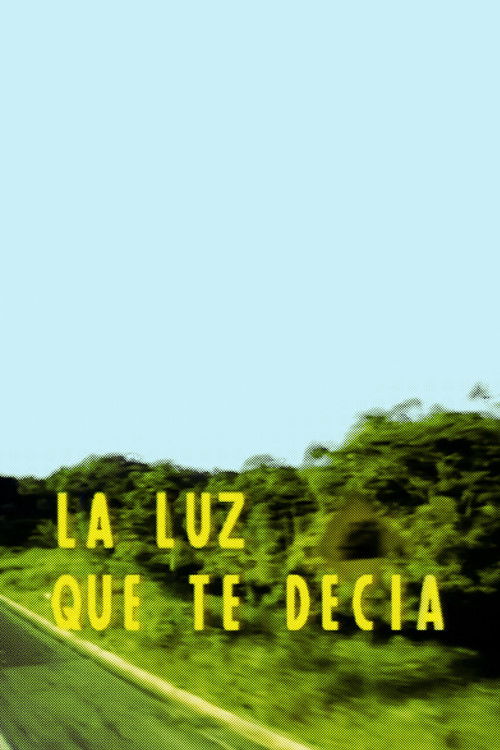
La luz que te decía (1986)
Filmed during the Salvadoran civil war, La luz que te decía documents the struggles of the country’s labor and trade union movement amid escalating political violence. Through strike footage, congress meetings, marches, and first-person testimonies, the film portrays a society marked by state repression, workers’ mobilization, and efforts to build national and international solidarity. The documentary pays particular attention to the strike of the National Water Authority workers (ANDA), featuring members of the SETA union who describe the causes of the protest, the repression they faced, and the survival strategies adopted during the conflict. Testimonies from other unions, grassroots organizations, and international labor groups broaden the film’s perspective beyond a single labor dispute.
Where to watch La luz que te decía
Streaming, rental and purchase options in the United States.
We do not have United States streaming information for this title yet. Check back closer to its release.
Availability changes often. Streaming data is provided by JustWatch via TMDB. MoviesBoxHD does not host or stream any video files.
Cast of La luz que te decía
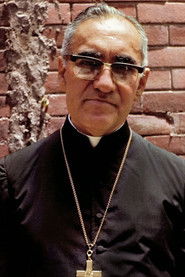
Óscar Arnulfo Romero
SelfAbout La luz que te decía
Where can I watch La luz que te decía?
We do not have streaming information for La luz que te decía yet. Check back soon.
Who stars in La luz que te decía?
La luz que te decía stars José Napoleón Duarte, Héctor Recinos, Óscar Arnulfo Romero.
Who directed La luz que te decía?
La luz que te decía was directed by María Pazos and Manuel Sorto.
How long is La luz que te decía?
La luz que te decía has a runtime of 0h 27m.
What is La luz que te decía about?
Filmed during the Salvadoran civil war, La luz que te decía documents the struggles of the country’s labor and trade union movement amid escalating political violence. Through strike footage, congress meetings, marches, and first-person testimonies, the film portrays a society marked by state repression, workers’ mobilization, and efforts to build national and international solidarity. The documentary pays particular attention to the strike of the National Water Authority workers (ANDA), featuring members of the SETA union who describe the causes of the protest, the repression they faced, and the survival strategies adopted during the conflict. Testimonies from other unions, grassroots organizations, and international labor groups broaden the film’s perspective beyond a single labor dispute.
Movies like La luz que te decía

Doble cara
1989 · Documentary
Borderlands
2023 · Documentary
Testimonio de un obrero petrolero
1978 · Documentary
10 Years of Taking the Sky by Storm
1991 · Documentary
De la guerra a la paz
1992 · Documentary 5.0
Comprehensive Annual Financial Reports Exposed
2001 · Documentary
Tiempo de victoria
1988 · Documentary
The Deregistration of the Builders Labourers Federation
1992 · Documentary
The Occupation of Cockatoo Island 1989
Documentary 8.3
El Salvador: The Day Fear Changed Sides
2026 · Documentary 10.0
Look Back at Grunwick
1980 · Documentary