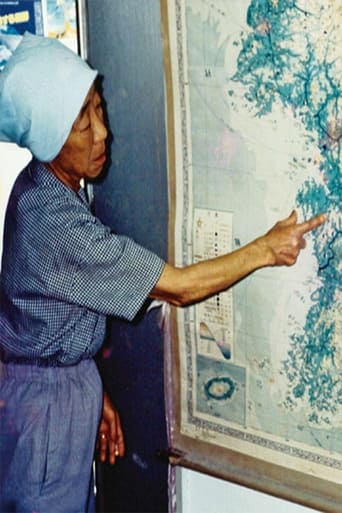
Song of Arirang - Voices from Okinawa (1991)
In the final hours of the Pacific War, Okinawa was the destination for Korean men conscripted as “military laborers” and Korean women taken as “comfort women.” Little is known about the number of casualties or their experiences. In 1989, Park Soonam started to track down the survivors of the Battle of Okinawa to record their testimonies. In 1990, Park visits Korea in search of former “military laborers” who had survived Okinawa and repatriated to Korea. The survivors vividly recount their experiences of their compatriots’ murder and about the “comfort women” to the Zainichi Korean female director. The film zeroes in on the murder of Korean “military laborers” and the presence of “comfort women” in Okinawa via testimonies of former Japanese soldiers.
Where to watch Song of Arirang - Voices from Okinawa
Streaming, rental and purchase options in the United States.
We do not have United States streaming information for this title yet. Check back closer to its release.
Availability changes often. Streaming data is provided by JustWatch via TMDB. MoviesBoxHD does not host or stream any video files.
About Song of Arirang - Voices from Okinawa
Where can I watch Song of Arirang - Voices from Okinawa?
We do not have streaming information for Song of Arirang - Voices from Okinawa yet. Check back soon.
Who directed Song of Arirang - Voices from Okinawa?
Song of Arirang - Voices from Okinawa was directed by Park Soo-nam.
How long is Song of Arirang - Voices from Okinawa?
Song of Arirang - Voices from Okinawa has a runtime of 1h 40m.
What is Song of Arirang - Voices from Okinawa about?
In the final hours of the Pacific War, Okinawa was the destination for Korean men conscripted as “military laborers” and Korean women taken as “comfort women.” Little is known about the number of casualties or their experiences. In 1989, Park Soonam started to track down the survivors of the Battle of Okinawa to record their testimonies. In 1990, Park visits Korea in search of former “military laborers” who had survived Okinawa and repatriated to Korea. The survivors vividly recount their experiences of their compatriots’ murder and about the “comfort women” to the Zainichi Korean female director. The film zeroes in on the murder of Korean “military laborers” and the presence of “comfort women” in Okinawa via testimonies of former Japanese soldiers.
Movies like Song of Arirang - Voices from Okinawa
 5.8
The Murmuring
1995 · Documentary
Senso Daughters
1990 · Documentary 9.0
Battle of Okinawa in Color
2017 · Documentary
Green Jail
2021 · Documentary 9.0
BABYMETAL LEGEND - 43 The Movie
2024
OKINAWA PHILADELPHIA
2024 · Documentary 7.6
Twenty Two
2017 · History 10.0
A Secret Buried for 50 Years: The Story of Taiwanese "Comfort Women"
1998 · Documentary
TARGET
2021 · Documentary
Comfort
2022 · Documentary 10.0
Calling the Ghosts
1996 · Documentary