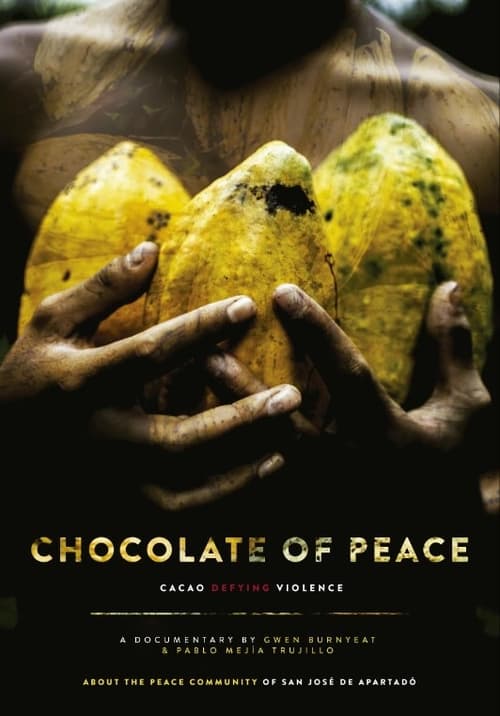
Chocolate of Peace
Chocolate of Peace depicts the Peace Community of San José de Apartadó's experiences of resistance, via a journey through their processes of organic chocolate production. From the seed to the product, the cacao is the narrative thread that takes us through the Community's stories of violence and resilience, and their fight to remain neutral in the face of the Colombian armed conflict. This film offers a panorama of hope, proof that despite great difficulties it is possible to sow peace through human and economic relationships. It invites us to rethink our relationship with food, to value the efforts of those who produce it, and to build bridges between the victims of the armed conflict and other sectors of global civil society.
Where to watch Chocolate of Peace
Streaming, rental and purchase options in the United States.
We do not have United States streaming information for this title yet. Check back closer to its release.
Availability changes often. Streaming data is provided by JustWatch via TMDB. MoviesBoxHD does not host or stream any video files.
About Chocolate of Peace
Where can I watch Chocolate of Peace?
We do not have streaming information for Chocolate of Peace yet. Check back soon.
Who directed Chocolate of Peace?
Chocolate of Peace was directed by Gwen Burnyeat and Pablo Mejia Trujillo.
How long is Chocolate of Peace?
Chocolate of Peace has a runtime of 0h 55m.
What is Chocolate of Peace about?
Chocolate of Peace depicts the Peace Community of San José de Apartadó's experiences of resistance, via a journey through their processes of organic chocolate production. From the seed to the product, the cacao is the narrative thread that takes us through the Community's stories of violence and resilience, and their fight to remain neutral in the face of the Colombian armed conflict. This film offers a panorama of hope, proof that despite great difficulties it is possible to sow peace through human and economic relationships. It invites us to rethink our relationship with food, to value the efforts of those who produce it, and to build bridges between the victims of the armed conflict and other sectors of global civil society.
Movies like Chocolate of Peace
 7.3
The Ants and the Grasshopper
2021 · Documentary 6.3
King Corn
2007 · Documentary
A Place For All: MN Community Art Centers
2026 · Documentary
Yu & Me
2026 · Documentary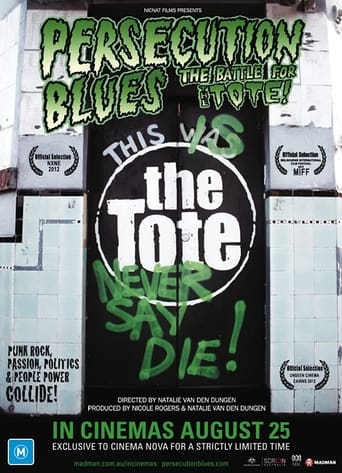 6.3
Persecution Blues: the Battle for the Tote!
2011 · Documentary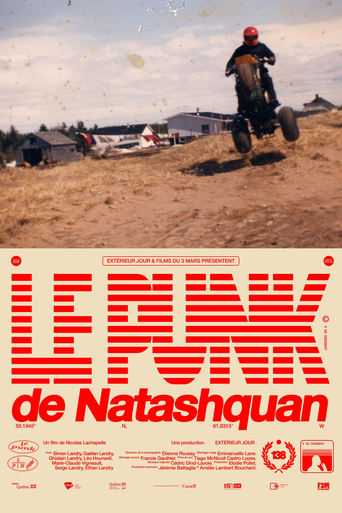
The Punk of Natashquan
2025 · Documentary 8.5
Sieben Mulden und eine Leiche
2007 · Documentary
Whisper to be Heard
2020 · Documentary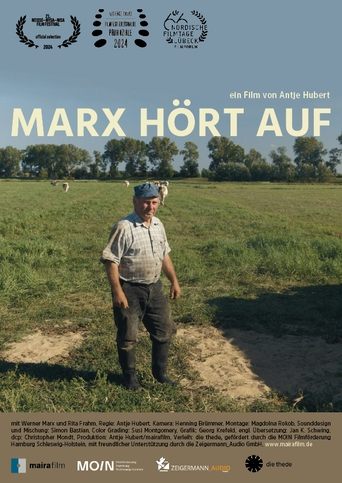
Marx hört auf
2025 · Documentary 7.8
The Ornament of the World
2019 · Documentary 8.2
Baraka
1992 · Documentary