
Mikio Naruse 100th Birth Anniversary (2005)
Because his style was similar to that of Yasujiro Ozu, who was already active at Shochiku, he moved to PCL (currently Toho) in 1933, where he appeared in the talkie works "My Wife, Like a Rose" and "Tsuruhachi Tsurujiro." It got attention. There were times when he was unable to make as many films as he wanted due to wartime film regulations and post-war Toho disputes, but in 1951 he revived his career with Meshi. Since then, he has released masterpieces one after another, including "Okaasan," "Lightning," "The Couple," "Wife," "Anii Mouto," "Sounds of the Mountain," and "Bangiku." The pinnacle of his work, "Floating Clouds," is Kenji Mizoguchi's "Wife." Even director Ozu was impressed, calling it a masterpiece of Japanese cinema, on par with "The Sisters of Gion." He depicted ordinary people in everyday life with an everyday realism that was not influenced by lyricism, and he consistently sought out women as his subjects.
Where to watch Mikio Naruse 100th Birth Anniversary
Streaming, rental and purchase options in the United States.
We do not have United States streaming information for this title yet. Check back closer to its release.
Availability changes often. Streaming data is provided by JustWatch via TMDB. MoviesBoxHD does not host or stream any video files.
Cast of Mikio Naruse 100th Birth Anniversary
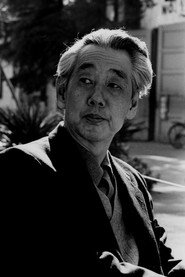
Mikio Naruse

Akira Takarada
VoiceoverAbout Mikio Naruse 100th Birth Anniversary
Where can I watch Mikio Naruse 100th Birth Anniversary?
We do not have streaming information for Mikio Naruse 100th Birth Anniversary yet. Check back soon.
Who stars in Mikio Naruse 100th Birth Anniversary?
Mikio Naruse 100th Birth Anniversary stars Mikio Naruse, Akira Takarada.
How long is Mikio Naruse 100th Birth Anniversary?
Mikio Naruse 100th Birth Anniversary has a runtime of 0h 32m.
What is Mikio Naruse 100th Birth Anniversary about?
Because his style was similar to that of Yasujiro Ozu, who was already active at Shochiku, he moved to PCL (currently Toho) in 1933, where he appeared in the talkie works "My Wife, Like a Rose" and "Tsuruhachi Tsurujiro." It got attention. There were times when he was unable to make as many films as he wanted due to wartime film regulations and post-war Toho disputes, but in 1951 he revived his career with Meshi. Since then, he has released masterpieces one after another, including "Okaasan," "Lightning," "The Couple," "Wife," "Anii Mouto," "Sounds of the Mountain," and "Bangiku." The pinnacle of his work, "Floating Clouds," is Kenji Mizoguchi's "Wife." Even director Ozu was impressed, calling it a masterpiece of Japanese cinema, on par with "The Sisters of Gion." He depicted ordinary people in everyday life with an everyday realism that was not influenced by lyricism, and he consistently sought out women as his subjects.
Movies like Mikio Naruse 100th Birth Anniversary

Call Time
2026 · Comedy
The Ozu Diaries
2025 · Documentary 8.2
Hans Zimmer & Friends: Diamond in the Desert
2025
Teruo Ishii Fan Club
2006 · Documentary
Adagio pour un gars de bicycle
2008 · Documentary 7.5
Spielberg
2017 · Documentary
Verstörung - und eine Art von Poesie. Die Filmlegende Bernhard Wicki
2007 · Documentary 7.3
Tati Express
2015 · Documentary 7.4
My Best Fiend
1999 · Documentary 6.6
Altman
2014 · Documentary 7.2
Clint Eastwood: The Last Legend
2022 · Documentary 10.0