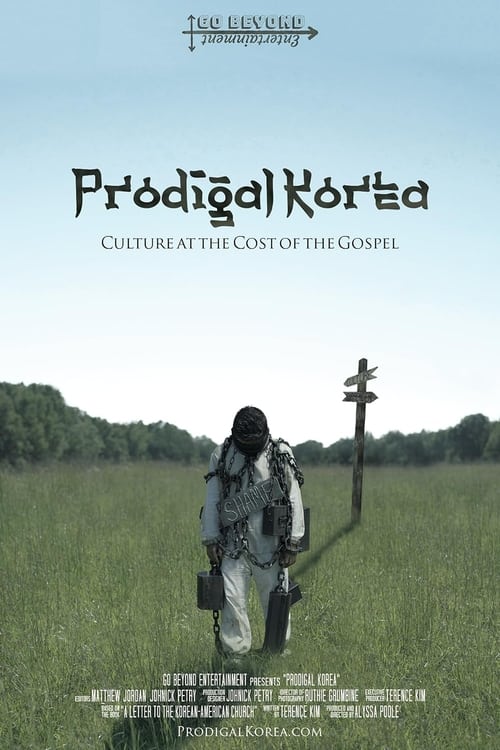
Prodigal Korea (2023)
Prodigal Korea is a documentary that highlights the cultural divide between the first and second-generation Korean-Americans, particularly in the context of the church. The film showcases the struggles of the second-generation Koreans as they attempt to navigate the cultural expectations of their parents and their own identity crisis as Americans. The documentary features interviews with second-generation Korean-Americans who share their stories of growing up in a culturally traditional Korean family in America. They speak about their struggles to balance the expectations of their parents, who often hold onto traditional Korean values, and their own desire to assimilate and become more American.
Where to watch Prodigal Korea
Streaming, rental and purchase options in the United States.
We do not have United States streaming information for this title yet. Check back closer to its release.
Availability changes often. Streaming data is provided by JustWatch via TMDB. MoviesBoxHD does not host or stream any video files.
Prodigal Korea trailer
About Prodigal Korea
Where can I watch Prodigal Korea?
We do not have streaming information for Prodigal Korea yet. Check back soon.
Who stars in Prodigal Korea?
Prodigal Korea stars Phil Choi, Johnick Petry, Terence Kim.
Who directed Prodigal Korea?
Prodigal Korea was directed by Alyssa Given.
How long is Prodigal Korea?
Prodigal Korea has a runtime of 0h 46m.
What is Prodigal Korea about?
Prodigal Korea is a documentary that highlights the cultural divide between the first and second-generation Korean-Americans, particularly in the context of the church. The film showcases the struggles of the second-generation Koreans as they attempt to navigate the cultural expectations of their parents and their own identity crisis as Americans. The documentary features interviews with second-generation Korean-Americans who share their stories of growing up in a culturally traditional Korean family in America. They speak about their struggles to balance the expectations of their parents, who often hold onto traditional Korean values, and their own desire to assimilate and become more American.
Movies like Prodigal Korea

Ganges
2007 · Documentary
My Survival as an Aboriginal
1979 · Documentary
Boundaries and Pathways
Documentary
Couch Man
2023 · Documentary 8.5
Sorcières : chronique d'un massacre
2025 · Documentary 5.7
The Life and Times of Allen Ginsberg
1994 · Documentary 7.0
Cult People
1989 · Documentary 4.5
Flux014: os rolês da quebrada
2019 · Documentary 8.0
Les Marquises, aux sources de la Polynésie
2023 · Documentary 8.0
La Corse, belle et méditerranéenne
2019 · Documentary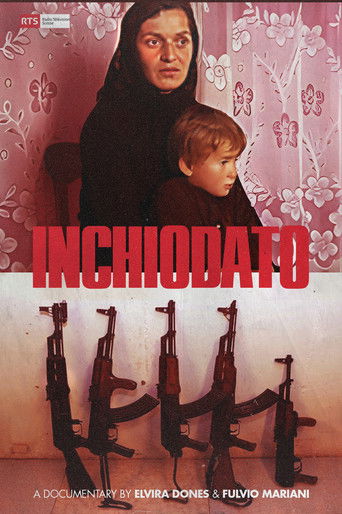 10.0
Inchiodato
2005 · Documentary 8.0