
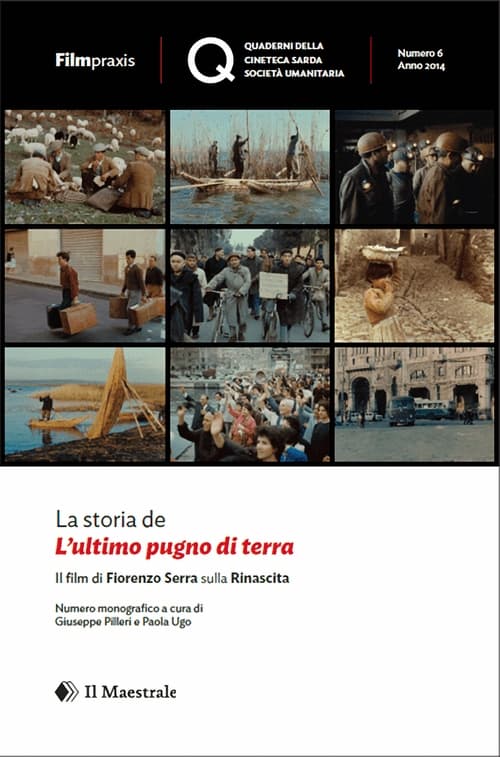
The Last Fistful of Land (1966)
Fiorenzo Serra's film on the economic rebirth of Sardinia
1 votes on TMDBReleased November 1, 1966Runtime 1h 37mDirector Fiorenzo Serra
'L'ultimo pugno di terra' (The Last Fistful of Land) is a 1966 documentary film directed by Fiorenzo Serra about the anguish and instability of the lower classes in a destitute Sardinia. Originally commissioned by the Sardinian regional government as a celebratory piece on the 'miraculous' effects of the 'Piano di Rinascita della Sardegna' (Sardinia's Rebirth Plan), the film instead shows an island still 'standing still in time', barely affected by the painful oxymoron of the inevitable changes taking place.
Where to watch The Last Fistful of Land
Streaming, rental and purchase options in the United States.
We do not have United States streaming information for this title yet. Check back closer to its release.
Availability changes often. Streaming data is provided by JustWatch via TMDB. MoviesBoxHD does not host or stream any video files.
Cast of The Last Fistful of Land
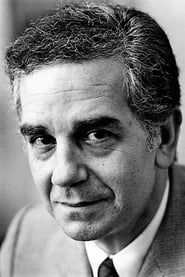
Riccardo Cucciolla
NarratorAbout The Last Fistful of Land
Where can I watch The Last Fistful of Land?
We do not have streaming information for The Last Fistful of Land yet. Check back soon.
Who stars in The Last Fistful of Land?
The Last Fistful of Land stars Riccardo Cucciolla, Manlio Busoni.
Who directed The Last Fistful of Land?
The Last Fistful of Land was directed by Fiorenzo Serra.
How long is The Last Fistful of Land?
The Last Fistful of Land has a runtime of 1h 37m.
What is The Last Fistful of Land about?
'L'ultimo pugno di terra' (The Last Fistful of Land) is a 1966 documentary film directed by Fiorenzo Serra about the anguish and instability of the lower classes in a destitute Sardinia. Originally commissioned by the Sardinian regional government as a celebratory piece on the 'miraculous' effects of the 'Piano di Rinascita della Sardegna' (Sardinia's Rebirth Plan), the film instead shows an island still 'standing still in time', barely affected by the painful oxymoron of the inevitable changes taking place.
Movies like The Last Fistful of Land
Outremont et les Hassidim
2019 · Documentary 7.0
JFK Revisited: Through the Looking Glass
2021 · Documentary 8.0
La vie au temps de Cro-Magnon
2019 · Documentary 8.0
Hoxsey: When Healing Becomes a Crime
2005 · Documentary 5.9
Frank Serpico
2017 · Documentary 6.7
Old Thieves: The Legend of Artegio
2007 · Documentary 7.0
Trump's America: Power, Change, Resistance
2026 · Documentary 6.9
Bombshell: The Hedy Lamarr Story
2018 · Documentary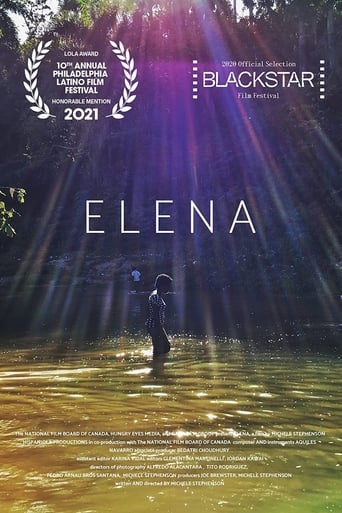
Elena
2021 · Documentary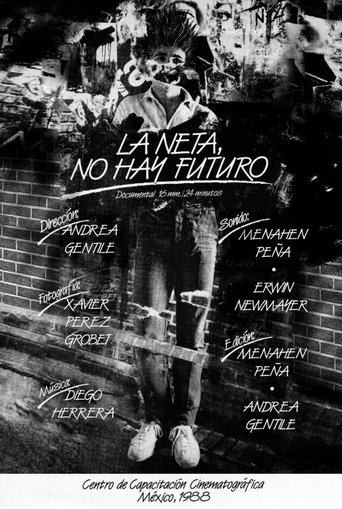 8.0
In Fact, There is not Future
1988 · Documentary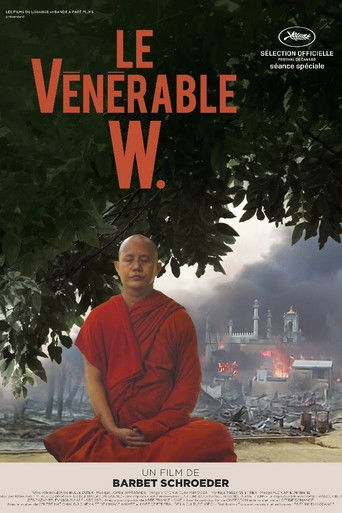 6.6
The Venerable W.
2017 · Documentary 10.0